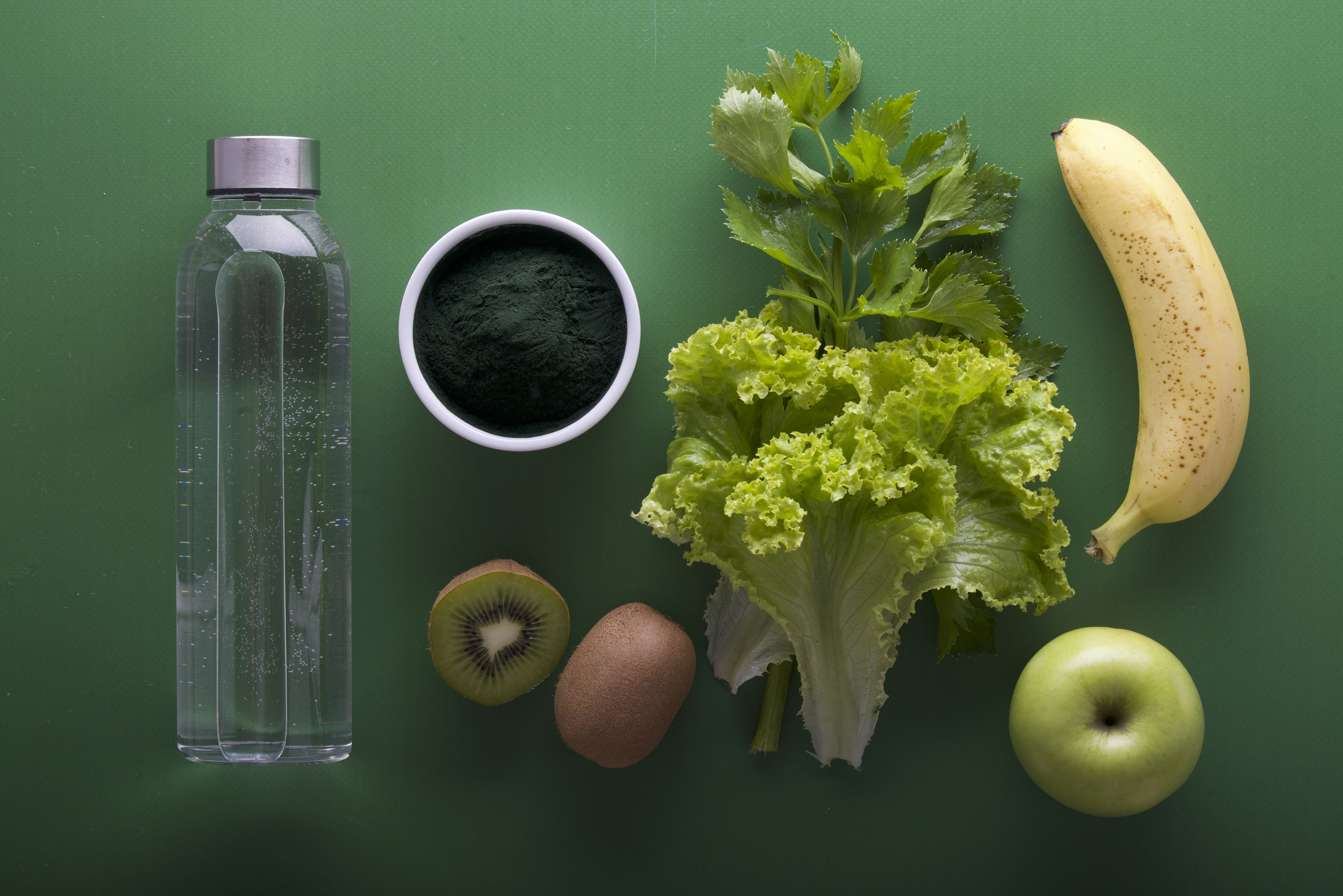
Introduction to Superfoods
Superfoods are nutrient-rich foods that are particularly beneficial for health and well-being. They are often characterized by their high concentrations of essential vitamins, minerals, antioxidants, and other health-promoting compounds. The term “superfood” is not a scientific classification but rather a marketing descriptor that has gained popularity in recent years. The growing interest in these foods can be attributed to an increasing awareness of the relationship between diet and overall health. People are now more inclined to seek options that can enhance their nutrition and potentially prevent chronic illnesses.
Among the most notable nutritional benefits of superfoods is their ability to support the immune system, improve heart health, and promote healthy digestion. For example, foods rich in omega-3 fatty acids, such as chia seeds and flaxseeds, are recognized for their anti-inflammatory properties and cardiovascular benefits. Additionally, superfoods like berries, which are loaded with antioxidants, can contribute to better skin health and improved cognitive function. These benefits stem from their ability to combat oxidative stress and inflammation, which are common contributors to various health issues.
The rise of superfoods has also seen an influx of products marketed for their health benefits, making them widely accessible to the general public. Grocery stores and health food shops have expanded their offerings, helping consumers to incorporate these powerful foods into their daily diets easily. Social media and wellness influencers have further amplified the conversation around superfoods, making them a trendy topic in health discussions. This increased popularity reflects a broader movement towards healthier eating patterns and a proactive approach to personal wellness.
Why Underrated Superfoods Matter
In the realm of nutrition, superfoods are often celebrated for their remarkable health benefits. However, many individuals tend to gravitate toward a select group of well-known superfoods, overlooking numerous underrated options that can yield significant advantages. Integrating these lesser-known superfoods into your diet is not just beneficial but essential for fostering a well-rounded nutritional intake.
Underrated superfoods often possess unique profiles that set them apart from more mainstream options like quinoa and kale. For instance, foods such as amaranth, seaweed, and maca root contain unique combinations of vitamins, minerals, and antioxidants that may not be present in more commonly consumed superfoods. Amaranth is rich in protein and fiber, while various types of seaweed provide a potent source of iodine and omega-3 fatty acids, crucial for optimal thyroid function and heart health.
Diversifying your diet by incorporating these underrated superfoods can enhance your overall nutrition and expose your body to a broader spectrum of nutrients. This variety can lead to improved gut health, better immune function, and even enhanced energy levels. Moreover, as these foods may feature lower glycemic indices, they can be beneficial for regulating blood sugar levels, making them valuable additions for those managing weight or diabetes.
Additionally, lesser-known superfoods are often more versatile than their popular counterparts. With unique flavors and textures, they can inspire creative culinary endeavors, encouraging individuals to experiment with new recipes and meal combinations. This exploration not only keeps meals interesting but can also enhance overall dietary adherence, allowing for long-term health benefits.
By embracing underrated superfoods, individuals are not merely expanding their dietary repertoire; they are affirming the importance of nutritional diversity. This practice can unlock various health potentials, fostering overall wellness and enriching the eating experience. Therefore, incorporating these often-overlooked superfoods into your daily meals is an essential step toward achieving a more balanced and health-conscious lifestyle.
The First Underrated Superfood: Amaranth
Amaranth is a remarkable gluten-free grain that has gained attention for its impressive nutritional profile. Historically, this ancient grain originated in the Americas and was cultivated by the Aztec civilization, which revered it not only for its nutritional value but also for its cultural significance. Today, amaranth is increasingly recognized as a superfood, rich in protein, fiber, and a variety of essential minerals, making it an excellent addition to any diet.
One of the standout features of amaranth is its protein content, which is higher than that found in many other grains. This protein is complete, meaning it contains all nine essential amino acids that the body cannot produce on its own. Furthermore, amaranth is an excellent source of fiber, which aids digestion and promotes a feeling of fullness, making it beneficial for weight management. The grain is also packed with essential minerals, including iron, magnesium, and phosphorus, each playing a vital role in maintaining overall health.
The health benefits of amaranth extend beyond its impressive nutritional profile. The grain is rich in antioxidants, which help combat oxidative stress in the body. This can contribute to improved heart health by reducing inflammation and lowering the risk of chronic diseases. Its high iron content also supports healthy blood circulation, while magnesium contributes to improved muscle and nerve function.
In terms of culinary applications, amaranth is versatile and can be incorporated into a variety of meals. It can be cooked as a breakfast porridge, used as a side dish, or added to salads for an extra nutrient boost. With its nutty flavor and pleasant texture, amaranth easily complements numerous recipes, making it a superfood worthy of a place in your diet.
The Second Underrated Superfood: Sea Buckthorn Berries
Sea buckthorn berries, derived from the small shrub Hippophae rhamnoides, have been celebrated in traditional herbal medicine for centuries due to their extensive nutritional profiles and health benefits. This remarkable superfood is remarkably rich in vitamin C, boasting a concentration that can be up to 15 times higher than that of oranges. This profound vitamin C content lends itself to immune support, making sea buckthorn an excellent choice during seasons of increased illness.
In addition to its vitamin content, sea buckthorn berries are abundant in omega fatty acids, particularly omega-3, -6, -7, and -9, which are essential for maintaining optimal health. These fatty acids contribute to skin health, providing moisture and promoting elasticity, thus offering potential benefits in combatting dry skin and signs of aging. The antioxidants present in these berries also play a pivotal role in neutralizing free radicals, which can reduce oxidative stress and lower the risk of chronic diseases.
Modern applications of sea buckthorn berries extend beyond traditional practices; they appear in various forms, such as oils, juices, and dietary supplements. Culinary enthusiasts can incorporate these berries into smoothies, salads, and desserts, while juices and oils offer practical ways to enjoy their health benefits without compromising taste. Supplements, available in capsule or liquid forms, can provide a concentrated dosage of their potent nutrients and are particularly appealing for those with busy lifestyles seeking to enhance their diet.
In conclusion, sea buckthorn berries are a versatile superfood worth integrating into your daily diet due to their impressive vitamin profile, omega fatty acids, and antioxidants. Their longstanding place in herbal medicine, combined with contemporary dietary applications, positions them as an important addition to anyone’s pursuit of improved health and well-being.
The Third Underrated Superfood: Cacao Nibs
Cacao nibs are the raw, unprocessed seeds of the cacao tree and are known for their unique flavor and numerous health benefits. Unlike processed chocolate, cacao nibs have a slightly bitter taste, reminiscent of dark chocolate, making them an ideal ingredient for those looking to add depth to their dishes without excessive sweetness. Their distinctive flavor profile allows them to be incorporated into a variety of culinary applications, ranging from smoothies to baked goods.
One of the most significant advantages of cacao nibs is their rich antioxidant content. These nutritional powerhouses are packed with flavonoids, which have been shown to have various health benefits, including improved heart health. Regular consumption of cacao nibs may contribute to a reduced risk of cardiovascular diseases by promoting healthy blood flow and lowering cholesterol levels. Furthermore, the antioxidants present in cacao may help combat oxidative stress, thereby protecting the body from cellular damage.
Beyond heart health, cacao nibs have mood-enhancing properties, which are largely attributed to their content of phenylethylamine (PEA), a compound that can promote feelings of happiness and well-being. This makes cacao nibs a suitable addition to a diet aimed at improving mental health and overall mood. Additionally, they can provide a source of dietary magnesium, essential for various bodily functions, including muscle and nerve function, energy production, and maintaining a healthy heart.
Incorporating cacao nibs into your diet is straightforward. They can be sprinkled over yogurt or oatmeal, blended into smoothies, or used as a topping for savory dishes like salads. In baking, cacao nibs can replace chocolate chips in cookies, brownies, or muffins, offering a more nutritious option without sacrificing flavor. Their versatility and health benefits make cacao nibs a standout superfood that should be a staple in your kitchen.
The Fourth Underrated Superfood: Moringa
Moringa, often referred to as the ‘miracle tree,’ is a nutritional powerhouse that has gained recognition for its extraordinary health benefits. This plant, native to regions of Africa and Asia, is rich in essential vitamins, minerals, and proteins. The leaves of the moringa tree, in particular, contain an impressive concentration of nutrients. For instance, they are abundant in vitamins A, C, and E, as well as essential amino acids and antioxidants. These components contribute to maintaining optimal health and boosting the immune system.
One of the remarkable aspects of moringa is its versatility. It can be consumed in various forms, enabling individuals to easily incorporate it into their daily diet. Moringa powder, made from dried moringa leaves, is a popular choice that can be added to smoothies, soups, or even baked goods. Additionally, moringa tea offers a soothing way to enjoy its benefits, providing hydration along with a wealth of nutrients in a warm beverage. By experimenting with these forms, one can greatly enhance their nutritional intake with minimal effort.
The health benefits associated with moringa are extensive. Research has indicated that it possesses anti-inflammatory properties, which can be beneficial in reducing inflammation linked to chronic diseases. Furthermore, moringa may aid in blood sugar regulation, making it a valuable addition to the diet for individuals managing diabetes or looking to stabilize their glucose levels. Moreover, its rich antioxidant profile helps combat oxidative stress, thus promoting overall well-being. As awareness of moringa’s properties continues to grow, incorporating this superfood into your meals could lead to substantial enhancements in your health.
The Fifth Underrated Superfood: Sunchokes
Sunchokes, also known as Jerusalem artichokes, are a unique root vegetable that merit attention in the realm of superfoods. Despite their somewhat misleading name, sunchokes are not related to artichokes but are part of the sunflower family. Their taste profile is subtly nutty and sweet, combined with a crisp texture that can add complexity to various dishes. These tubers can be enjoyed raw, roasted, or sautéed, making them a versatile ingredient suitable for numerous culinary applications.
Nutritionally, sunchokes stand out for their high content of inulin, a type of prebiotic fiber that plays a crucial role in promoting gut health. This fiber feeds the beneficial bacteria in the gut, enhancing digestive function and bolstering the immune system. By nurturing these good bacteria, sunchokes may aid in improving gut microbiota diversity, which is essential for overall health. Additionally, they contain essential vitamins and minerals, including potassium, iron, and vitamin C, contributing to their status as a nutrient-dense superfood.
Incorporating sunchokes into your diet can be relatively easy. You can slice them thinly and add them to salads for a crunchy element, or roast them with olive oil and seasoning to bring out their natural sweetness. Another option is to purée cooked sunchokes into a creamy soup, creating an inviting dish perfect for any time of the year. As they become increasingly popular, many grocery stores offer sunchokes, making them more accessible for consumers wishing to explore nutritious food choices.
The benefits of sunchokes not only lie in their unique flavor and versatility but also in their positive impact on digestive health. By adding these underrated superfoods to your diet, you can enhance your nutrition while enjoying new and exciting meal options.
How to Incorporate These Superfoods into Your Diet
Incorporating superfoods into your daily meals can significantly enhance your nutritional intake. Here are some practical tips and recipe ideas that make the addition of these nutrient-dense foods both easy and enjoyable.
Firstly, meal prep is a great way to ensure that superfoods are readily available. Designate a couple of hours each week to prepare meals that include these ingredients. For instance, you could cook a large batch of quinoa, kale, or chia seeds and portion them out for use throughout the week. This minimizes the effort required to include these superfoods in your diet while helping you maintain a balanced approach to nutrition.
When it comes to recipes, consider creating smoothies that blend a variety of superfoods. Adding spinach or spirulina to your morning smoothie not only boosts its nutritional profile but also offers an energizing start to your day. Additionally, experimenting with salads allows you to beautifully mix different superfoods. Combine leafy greens with nuts and seeds, or include berries to create a nutrient-rich dish that is visually appealing.
Pairing superfoods with other ingredients enhances both flavor and nutrition. For example, adding avocado to a quinoa salad provides healthy fats, while mixing berries with oatmeal enriches its fiber content and adds natural sweetness. You might also drizzle tahini over steamed vegetables, which not only elevates taste but also adds protein and healthy fats.
Lastly, don’t forget the simplicity of snacking on superfoods. Incorporating items like nuts, seeds, or dark chocolate into your snack routine can make it easier to enjoy their benefits. By being mindful of these practical strategies, you can effortlessly integrate superfoods into your everyday diet for improved health and well-being.
Conclusion: Embracing Dietary Diversity
Incorporating a variety of superfoods into one’s diet can significantly enhance overall health and well-being. Throughout this blog post, we have explored five underrated superfoods: seaweed, spirulina, black garlic, jackfruit, and amaranth. Each of these foods offers unique nutritional benefits, making them valuable additions to a diverse dietary regimen.
Seaweed provides an excellent source of iodine and essential vitamins, contributing to thyroid health and supporting metabolic functions. Spirulina, abundant in protein and antioxidants, not only boosts immune function but also combats oxidative stress, enhancing longevity. Meanwhile, black garlic is praised for its heart health benefits and anti-inflammatory properties, offering protection against chronic diseases. Jackfruit, with its high fiber content and versatility as a meat substitute, stands out as an outstanding option for those seeking plant-based alternatives. Lastly, amaranth serves as a gluten-free grain rich in essential amino acids and micronutrients, making it suitable for a variety of diets.
Encouraging dietary diversity by integrating these superfoods can lead to a more balanced intake of nutrients, catering to the body’s various needs. By experimenting with different recipes and ways to incorporate these foods, one can discover new flavors and health benefits that enhance their nutritional profile. It is essential to keep in mind the value of variety in our diets, as relying solely on commonly known superfoods may limit our exposure to the myriad options available.
In conclusion, embracing dietary diversity through the incorporation of these underrated superfoods can pave the way for a healthier lifestyle. As we broaden our dietary horizons, we not only nourish our bodies but also cultivate a greater appreciation for the vast array of food choices at our disposal. Let us take this opportunity to explore these exciting superfoods and their myriad benefits, paving the way for improved health and well-being.
Yo, 4winbet looks interesting! Thinking about trying my luck. Anyone here had any experience with them? Let me know! Otherwise, I’m diving in! More info here 4winbet.
Been searching for some fresh games, and b2xbetgames seems to have a decent selection. Might give it a whirl tonight. Anyone else played here? You can find the site here b2xbetgames.
Thinking of signing up at kjcrr88. Their bonus offer is catching my eye. Has anyone had any issues withdrawing funds from there? Just wanna make sure it’s all good. Take a look kjcrr88!