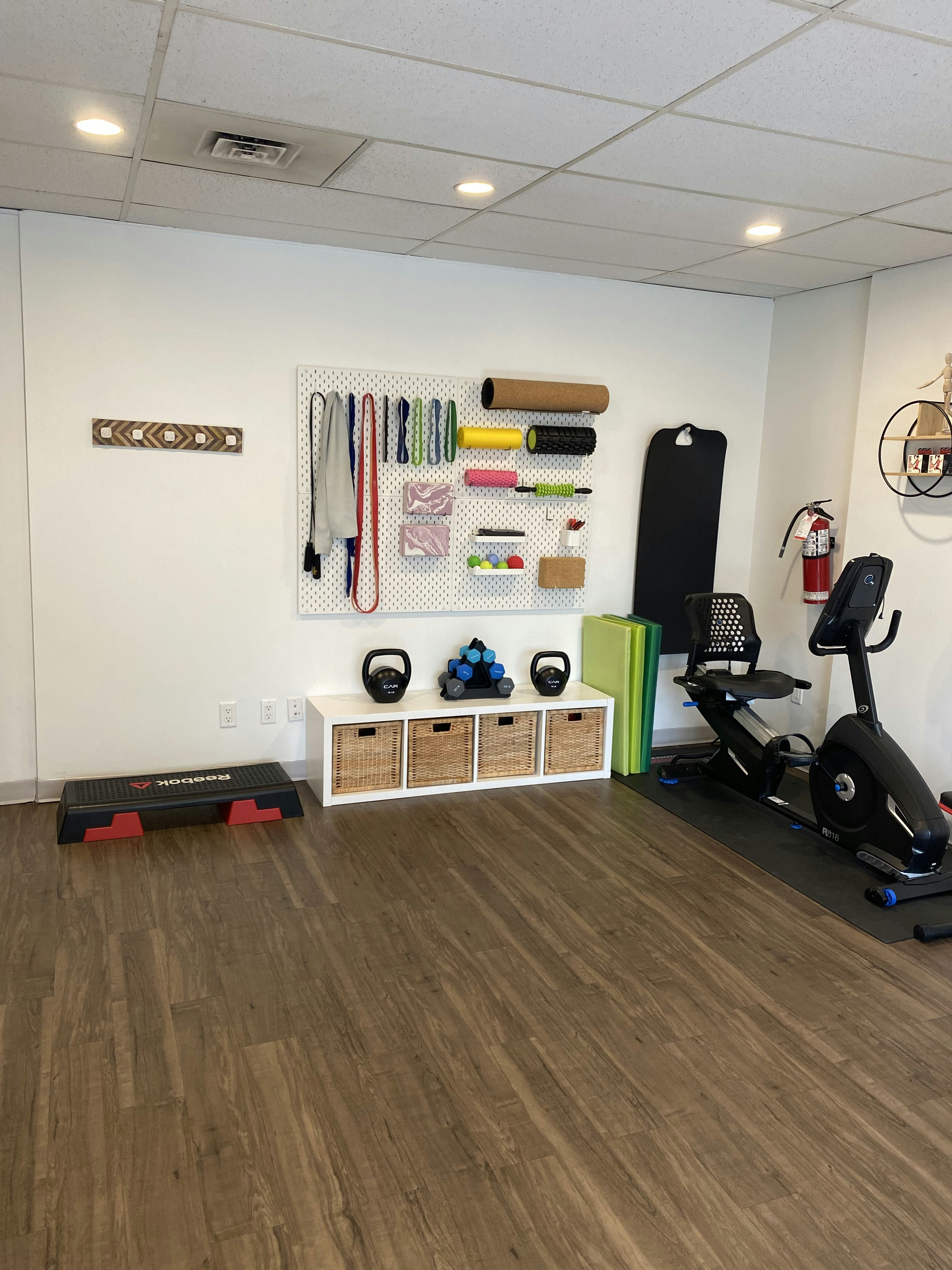
Introduction to Short Workouts
The concept of short workouts has gained substantial traction in recent years, particularly with the rise of 20-minute training sessions. As modern life becomes increasingly hectic, the appeal of efficient exercise solutions is hard to ignore. Many individuals are searching for effective ways to integrate fitness into their busy schedules, leading to a surge in popularity for shorter, concentrated workout durations. This shift is not only a response to time constraints but is also bolstered by a growing body of research that supports the effectiveness of these brief exercise regimens.
A prevalent misconception is that longer workouts are inherently more effective for building strength, endurance, or achieving weight loss goals. However, multiple studies have revealed that shorter workouts can yield comparable, if not superior, results. The key to maximizing the benefits of a 20-minute workout lies in the intensity and structure of the exercise performed. High-Intensity Interval Training (HIIT) is one of the methodologies that exemplifies this approach, allowing participants to engage in rigorous activity followed by brief recovery periods within a compressed timeframe.
Research has shown that shorter workouts can improve cardiovascular health, enhance metabolic rate, and promote muscle retention, even when performed for just 20 minutes. For instance, a study published in the Journal of Sports Science highlighted that individuals who engaged in focused 20-minute workouts showed substantial improvements in fitness levels comparable to those following traditional longer sessions. This evidence challenges the traditional notion that only lengthy training sessions can deliver significant health benefits.
In this evolving landscape of fitness, it is essential to recognize the potential of short workouts. Their effectiveness, efficiency, and adaptability make them an appealing choice for many. As we delve deeper into the merits and strategies of these workouts, a more profound understanding of how 20-minute exercise regimens can transform our fitness journey will emerge.
The Science Behind Short Workouts
In recent years, short workouts have gained considerable attention for their potential effectiveness in delivering substantial fitness benefits within a limited time frame. A key player in this emerging trend is High-Intensity Interval Training (HIIT), a method that alternates short bursts of intense activity with periods of rest or lower-intensity exercise. The science supporting this approach is rooted in the way our bodies respond to these high-intensity bursts. During intense exercise, the body expedites calorie burning significantly, often far beyond what is realized in longer, moderate workouts.
The physiological effects of HIIT involve elevating the heart rate rapidly, which enhances cardiovascular fitness. This increase in heart rate triggers a variety of adaptive responses, including improved oxygen uptake and cardiovascular efficiency, contributing to long-term heart health. Moreover, the metabolic response induced by this form of training is notable; the body continues to burn calories at an elevated rate even after the workout has finished, a phenomenon known as excess post-exercise oxygen consumption (EPOC). This means that 20-minute workouts can lead to not just immediate calorie expenditure but also sustained calorie burning for hours afterward.
Studies indicate that engaging in short, vigorous workouts can be just as effective, if not more so, than traditional longer workout sessions, particularly in terms of improvements in aerobic fitness and fat loss. Consequently, for individuals with limited time and those who may struggle with the motivation to engage in longer workout regimens, 20-minute workouts present an appealing alternative. Emphasizing quality over quantity, short workouts can fit into busy schedules while still promoting significant health benefits.
Benefits of 20-Minute Workouts
In today’s fast-paced world, where individuals often juggle numerous responsibilities, 20-minute workouts have emerged as a highly effective solution for those seeking health benefits without the extensive time commitment traditionally associated with exercise. These short yet intense sessions can significantly enhance cardiovascular health. Engaging in high-intensity interval training (HIIT) during these 20-minute workouts has been shown to improve heart rate and promote better circulation, contributing to overall heart health.
Moreover, 20-minute workouts can also lead to increased muscle strength. Resistance training exercises incorporated into a brief workout regime not only confer benefits related to muscle hypertrophy but also boost metabolic rate. This metabolic increase enables the body to burn more calories even at rest, thereby facilitating effective weight management.
Aside from physical benefits, the mental advantages of shorter exercise routines should not be overlooked. Engaging in just 20 minutes of physical activity has been proven to enhance mood and reduce symptoms of anxiety and depression. The release of endorphins during these quick workouts can lead to feelings of euphoria, also known as the “runner’s high,” making it easier for individuals to incorporate exercise into their day while improving overall mental well-being.
The appeal of 20-minute workouts lies largely in their efficiency, allowing busy individuals to fit exercise into their crowded schedules. This time efficiency makes adherence to a workout plan easier, contributing to long-term fitness goals. Consequently, the integration of regular 20-minute sessions can bridge the gap between one’s hectic lifestyle and the need for maintaining physical health. For many, these workouts serve as a sustainable approach to achieving fitness, underscoring the significance of time-efficient workout regimens in contemporary life.
Types of 20-Minute Workouts
20-minute workouts have gained significant traction in the fitness community due to their convenience and effectiveness. These workouts can be tailored to various fitness goals, including strength training, cardiovascular endurance, and flexibility. Each type offers unique benefits and can be customized to meet individual needs.
Strength training workouts typically involve exercises that target major muscle groups, utilizing resistance to build muscle and enhance overall strength. Circuit training is a popular format for 20-minute strength workouts, combining multiple exercises performed in series with minimal rest. For example, one might alternate between push-ups, squats, and lunges, completing each exercise for 30 seconds followed by 15 seconds of rest, repeating the circuit until the time is up. This approach not only saves time but also keeps the heart rate elevated, maximizing the workout’s efficiency.
Cardio-focused 20-minute workouts often incorporate high-intensity interval training (HIIT) methods, which emphasize short bursts of intense activity followed by brief recovery periods. An example would be sprinting for 20 seconds, then walking for 40 seconds, repeated for the duration of the workout. This method has been shown to improve cardiovascular fitness and burn a significant number of calories in a short time frame.
Flexibility exercises should not be overlooked in a comprehensive 20-minute workout routine. These workouts can improve mobility and reduce the risk of injury. A well-rounded session might include dynamic stretches and yoga sequences designed to enhance flexibility, balance, and core strength. Programs like Pilates also fit within this category, focusing on controlled movements that build endurance and promote overall body awareness.
In summary, the variety of 20-minute workouts available—spanning strength training, cardiovascular conditioning, and flexibility exercises—ensures that individuals can find a regimen that suits their personal fitness goals and preferences. This adaptability makes 20-minute workouts an approachable option for those looking to maximize their time and fitness results.
How to Optimize a 20-Minute Workout
To make the most of a 20-minute workout, individuals must strategically plan their routines to ensure maximum effectiveness. Proper warm-up and cool-down techniques are fundamental to prevent injuries and promote overall performance. Begin each session with at least five minutes of dynamic stretching or light aerobic activity, such as jogging in place or jumping jacks. This warm-up elevates heart rates and prepares muscles for higher intensity exercises, ensuring that the body is ready to perform optimally.
When selecting exercises, focus on compound movements that engage multiple muscle groups at once. Exercises such as squats, push-ups, and burpees are excellent choices, as they provide a full-body workout while saving time. Incorporating high-intensity interval training (HIIT) techniques can also yield impressive results within a short duration, as they allow for bursts of intense effort followed by brief recovery periods. This approach not only enhances cardiovascular fitness but also boosts metabolism, maximizing calorie burn.
Pacing is another critical aspect of optimizing a 20-minute workout. Aim to maintain a steady rhythm throughout the session, taking short breaks as necessary but minimizing downtime. Utilizing a timer can help manage intervals effectively, allowing for a structured workout that keeps participants engaged and focused. Goal setting is equally vital; identifying specific, measurable objectives—such as completing a certain number of reps or achieving a targeted heart rate—can significantly enhance motivation and accountability during workouts.
By incorporating these tips into a customized 20-minute workout plan, individuals can achieve remarkable results. Combining a proper warm-up and cool-down, thoughtfully selected exercises, effective pacing, and clear goals leverage the limited workout time efficiently. Adapting these strategies will ensure that even short sessions yield substantive fitness benefits.
Common Myths About Short Workouts
In recent years, the concept of short workouts, particularly 20-minute sessions, has gained traction among fitness enthusiasts and busy professionals alike. However, certain misconceptions still persist, which may hinder individuals from fully embracing these time-efficient exercise routines. One of the most prevalent myths is the belief that longer workouts are inherently more effective than shorter ones. This stems from the traditional notion that extending workout duration correlates with improved fitness outcomes. Nevertheless, numerous studies suggest otherwise. Research indicates that high-intensity workouts, regardless of duration, can yield similar or even superior results compared to prolonged sessions at moderate intensity.
Another common myth pertains to the assumption that 20-minute workouts lack sufficient intensity and challenge. On the contrary, many well-structured short workouts are designed to maximize effort within the limited time frame. High-Intensity Interval Training (HIIT) is a prime example, as it alternates periods of intense activity with short rest intervals, effectively increasing heart rate and burning calories. Testimonials from individuals who have successfully integrated short workout sessions into their routines consistently emphasize their effectiveness. Many report not only achieving their fitness goals but also enjoying the convenience of shorter commitments.
Moreover, some people believe that the benefits of physical activity are only attainable with long durations of exercise. However, the Centers for Disease Control and Prevention (CDC) highlights that significant health benefits can also be obtained through consistent short workout sessions spread throughout the week. These findings affirm that time constraints need not be barriers to achieving fitness goals. Embracing shorter workouts can lead to an efficient, enjoyable, and sustainable exercise regimen that fits seamlessly into a busy lifestyle.
Incorporating 20-Minute Workouts into Your Routine
In today’s fast-paced world, finding time for fitness can be challenging. However, integrating 20-minute workouts into your routine offers a practical solution for maintaining a healthy lifestyle without overwhelming your schedule. First and foremost, consider scheduling these brief sessions to align with your daily activities. Early mornings can be an effective time to engage in a workout before the day’s responsibilities take over. Alternatively, lunch breaks can also serve as a convenient window for these high-intensity sessions, allowing for a refreshing mental reset to enhance productivity for the remainder of the day.
Another essential aspect of successfully incorporating 20-minute workouts is motivation. Embrace the flexibility these short sessions provide by selecting various activities that excite you. Establishing a consistent workout plan can help in maintaining progress, so consider using fitness apps or joining online workout communities to inspire you. Creating a designated space in your home can also contribute to motivation—equipping it with necessary gear can minimize excuses and make it easier to start. Pairing workouts with enjoyable music or podcasts can further elevate your experience, making the time spent more engaging.
Additionally, integrating these workouts with other daily activities can enhance overall fitness without compromising time. For example, you can perform a 20-minute workout during family time—get your loved ones involved in a fun, interactive session. Alternatively, consider incorporating movements such as lunges or squats while doing household chores. This multi-tasking approach not only strengthens your muscles but makes routine activities more dynamic.
By thoughtfully scheduling, staying motivated, and creatively pairing workouts with everyday actions, individuals can efficiently integrate 20-minute workouts into their lives, paving the way for a healthier future.
Success Stories: Real People, Real Results
In today’s fast-paced world, the concept of effective exercise in a limited timeframe has gained traction, especially among those with busy schedules. Many individuals have experienced transformative results through 20-minute workouts, proving that quality often trumps quantity in fitness routines. Take Sarah, for example, a full-time working mother who struggled to find time for her health amidst juggling numerous responsibilities. After discovering a 20-minute high-intensity interval training (HIIT) program, Sarah began incorporating short but intense sessions into her daily routine. Within three months, she noticed a significant increase in her energy levels and remarkable weight loss, shedding nearly 15 pounds. This newfound vitality not only improved her physical appearance but also bolstered her self-confidence.
Similarly, John, a college student with a hectic academic schedule, faced challenges in maintaining fitness. He turned to a 20-minute bodyweight workout regimen that combined strength and cardio exercises. Initially doubtful, John committed to this routine three times a week. Within weeks, he not only gained muscle definition but also enhanced his endurance, allowing him to participate in various campus sports. Through his journey, he learned that fitness is more about consistency and effective strategies rather than time spent in the gym.
Moreover, Jessica, a senior professional who battled sedentary lifestyle choices, integrated 20-minute workouts into her daily breaks at work. Using resistance bands and bodyweight exercises, she slowly transformed her physique and mental outlook. Over six months, Jessica reported substantial weight loss, increased flexibility, and improved mood—benefits she credits to the time-efficient workout approach. These stories exemplify how individuals from various backgrounds have harnessed the power of short workouts to achieve impressive fitness goals, ultimately leading to enhanced overall well-being.
Conclusion: Time is No Barrier to Fitness
In today’s fast-paced world, time constraints often serve as a significant barrier to maintaining a consistent fitness routine. However, the evidence is increasingly clear that effective workouts need not be lengthy. The concept of 20-minute workouts offers a valuable solution for those seeking to integrate fitness into their busy schedules. Regular engagement in high-intensity, focused exercise for just 20 minutes can yield substantial health benefits, including improved cardiovascular fitness, enhanced muscle strength, and better overall mental well-being.
Moreover, these brief sessions can easily be tailored to fit various fitness levels and preferences, making them accessible to a wide audience. Understanding that a shorter workout does not equate to less effectiveness empowers individuals to reassess their traditional views on exercise duration. The flexibility of 20-minute workouts allows for diverse formats, including bodyweight exercises, resistance training, or cardiovascular activities, which can be adapted to meet specific fitness goals.
By embracing the idea that workouts can be concise yet impactful, individuals may find it easier to commit to regular exercise. This approach not only supports physical health but can also foster a more positive relationship with fitness, making workouts less of a chore and more of a sustainable lifestyle choice. Therefore, it is essential to rethink workout strategies and recognize that implementing powerful, time-efficient sessions can effectively enhance one’s fitness journey.
Ultimately, time is no longer an excuse for neglecting your health. The effectiveness of 20-minute workouts demonstrates that even the busiest of individuals can engage in physical activity, promoting a healthier lifestyle without the necessity for extensive time commitments. It is time to unlock the potential of brief yet effective workouts, ensuring that fitness becomes an achievable goal for everyone.
Sun789bet is my go-to these days. Easy to navigate and I’ve actually seen some decent wins. Give it a shot! Check it out here: sun789bet
Jalwa3game has been a pleasant surprise. Some interesting games I haven’t seen elsewhere. Thinking about giving it a whirl Its at jalwa3game.
88jllogin makes the start easy. Easy to log in and go. So I would say it is a plus for this portal. So, go ahead! 88jllogin
Haha, almost spelled it wrong! Looking for Dafabet, not defabet. Make sure you get the name right when searching guys!
Looking for ‘bong đá net’? This site delivers! Easy to use and packed with info. No time wasted! Check it out ASAP: bong đá net
Just signed up for 92lottery. The registration process was super easy! Check it out at : cách đăng ký 92lottery
Lixi88 club? Been on it for a while now, never disappoints. Always something new to try. Get in on the action: lixi88 club
Watching xổ số trực tiếp đài bạc liêu live! So exciting! Come on, my numbers! Join me to watch it! xổ số trực tiếp đài bạc liêu
Rồng Bạch Kim chấm com = happiness! You can find it at: rồng bạch kim chấm com